
Benefits of the Ice Bath Practice
→ Ice water isn’t about heroics.
→ It’s a tool that triggers the body’s adaptive mechanisms.
Backed by research (links in each section)

Stress control and mental clarity
Cold plunges lower cortisol levels and improve focus and emotional resilience, making you calmer and less reactive to stress

Deep muscle recovery
Regular cold therapy speeds up lactic acid clearance and reduces micro-inflammation. It means high-quality tissue renewal for training without the risk of injury.

Energy in the morning — deep sleep at night
A morning plunge gives you a boost of energy and clarity. Regular practice improves the body’s natural regulation, helping it switch more effectively into restorative sleep mode in the evening.
When you immerse in cold water:
— blood vessels constrict
— blood flow decreases in the moment
— inflammation is reduced
This reduces swelling and the feeling of “tight” muscles
If your workout was strength training aimed at muscle growth, an ice bath is not recommended for 4–8 hours afterward
Backed by the article: https://pmc.ncbi.nlm.nih.gov/articles/PMC9213381
With cardio, the main issue is accumulated fatigue and overload of the body’s systems.
Cold water helps “switch off” the stress response faster — shifting the nervous system from a state of tension to a state of rest
As a result, fatigue decreases and readiness for the next workout increases.
Backed by the article: https://pubmed.ncbi.nlm.nih.gov/17654228/
https://pubmed.ncbi.nlm.nih.gov/27398915/
The rapid switch between constriction and dilation of blood vessels caused by cold puts a load on the vascular system that is mechanically similar to a cardio workout:
- blood vessels constrict to retain heat
- when you leave the cold, they dilate sharply and blood flow increases
Intense training puts a load on the nervous system.
Cold water briefly increases stress, which is followed by a relaxation phase.
This helps reduce overall tension.
Backed by the article: https://onlinelibrary.wiley.com/doi/abs/10.1002/pri.70033
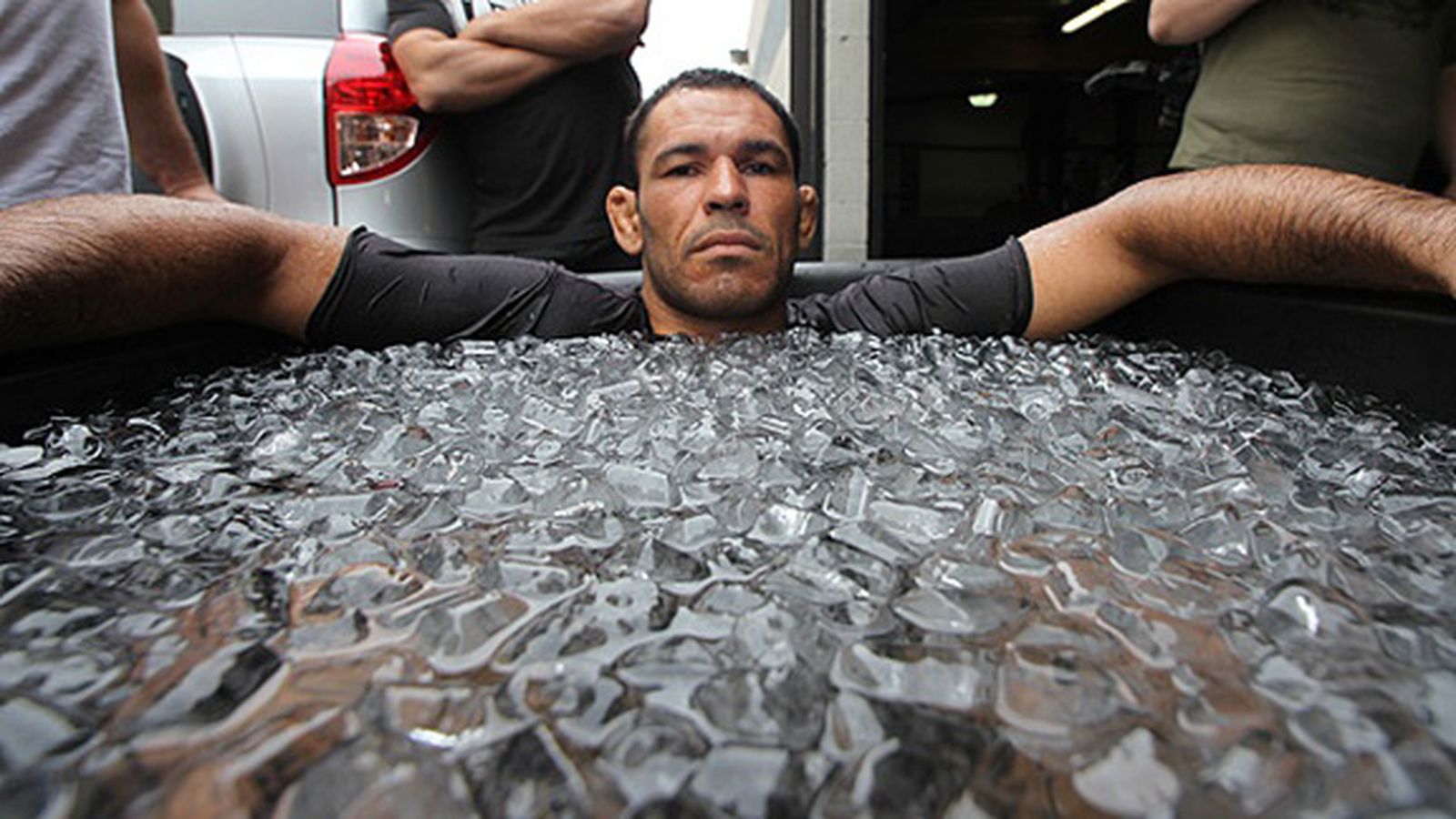
Taking an ice bath right after strength training is not recommended. If your goal is muscle growth, muscle inflammation is exactly what drives it.
(better to wait 4–12 hours, otherwise you may slow down muscle growth)
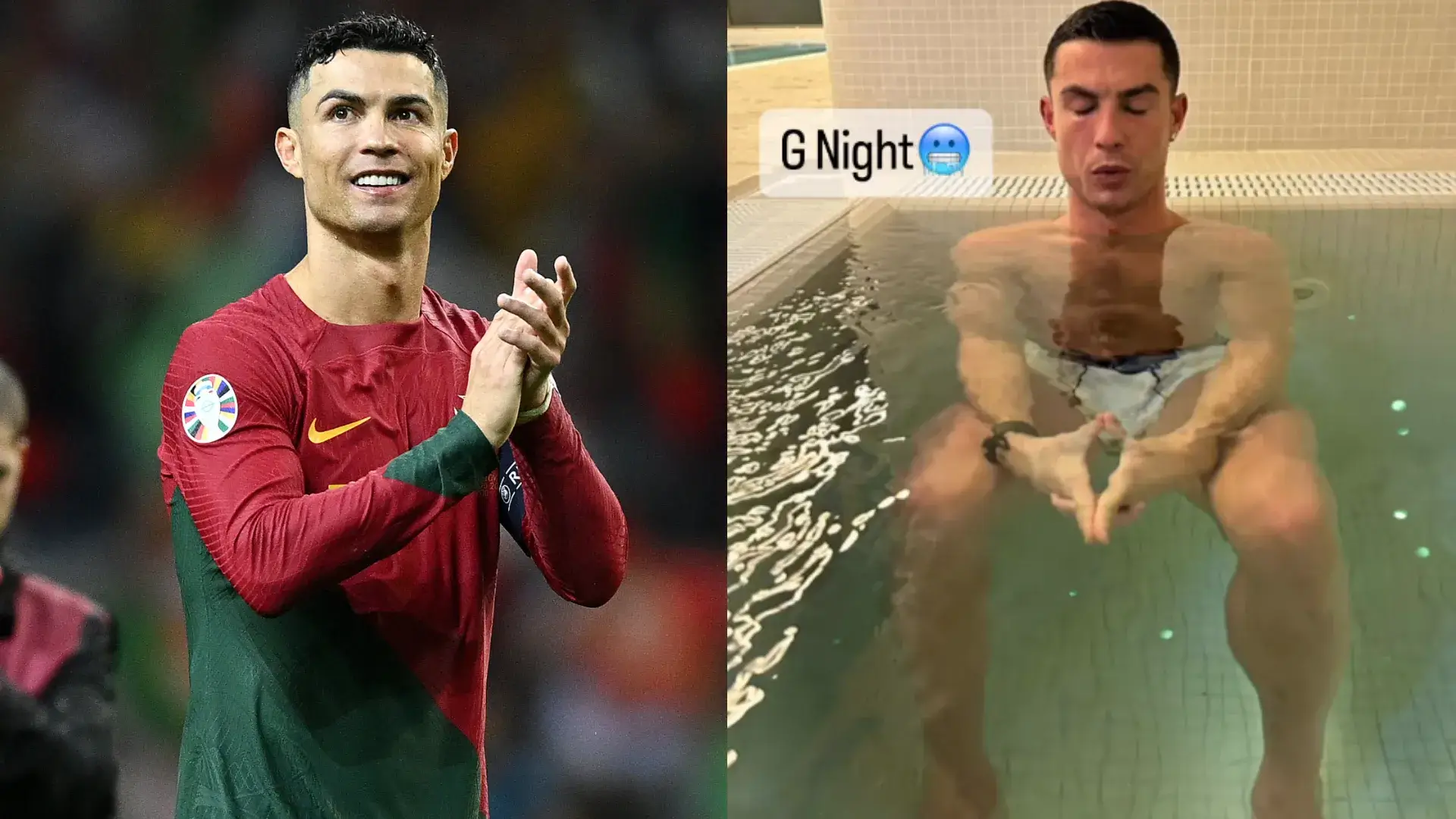
The practice is used by top athletes such as Cristiano Ronaldo, Lionel Messi, Petr Yan, Rafael Nadal and others
Cold is a stressor for the body.
In response:
• the sympathetic nervous system is activated
• norepinephrine levels rise sharply
This leads to:
• better concentration
• a feeling of alertness
• a “clear head”
Articles: https://pubmed.ncbi.nlm.nih.gov/17993252/
https://pmc.ncbi.nlm.nih.gov/articles/PMC11778651/
After cold stress, the body compensates for the load.
As a result:
• dopamine rises
• mood improves
• a sense of motivation appears
A lasting effect without sharp crashes.
Energy and clarity last for several hours — without the “crash” typical of stimulants.
Backed by the article: https://pubmed.ncbi.nlm.nih.gov/10751106/
To do this:
• brown fat is activated
• heat production increases (thermogenesis)
This increases energy expenditure, but does not replace regular physical activity.
Articles: https://pmc.ncbi.nlm.nih.gov/articles/PMC9273773/
https://pubmed.ncbi.nlm.nih.gov/38540150/
After cold exposure:
• arousal levels decrease
• the relaxation phase sets in faster
This makes it easier to fall asleep and improves sleep depth
Especially noticeable with evening practice (without extreme temperatures)
Articles: https://pubmed.ncbi.nlm.nih.gov/39879231/
The body learns to:
• enter a stress state
• exit it without overload
Articles: https://pubmed.ncbi.nlm.nih.gov/39879231/
After cold exposure:
• arousal levels decrease
• a sense of control appears
This lowers your overall anxiety level.
Article: https://pubmed.ncbi.nlm.nih.gov/32581890/
On contact with cold:
• the stress response is activated
• but you remain in a safe environment
Over time, excessive reactions to everyday stressful situations decrease.
Articles: https://researchportal.port.ac.uk/en/publications/habituation-of-the-cold-shock-response-a-systematic-review-and-me/
Through:
• the release of neurotransmitters
• activation of the nervous system
Cold improves mood and energy levels.
Article: https://pmc.ncbi.nlm.nih.gov/articles/PMC7296110/
The practice is used by Pavel Durov, Mark Wahlberg, Lady Gaga, Justin Bieber
Cold is a safe model of stress
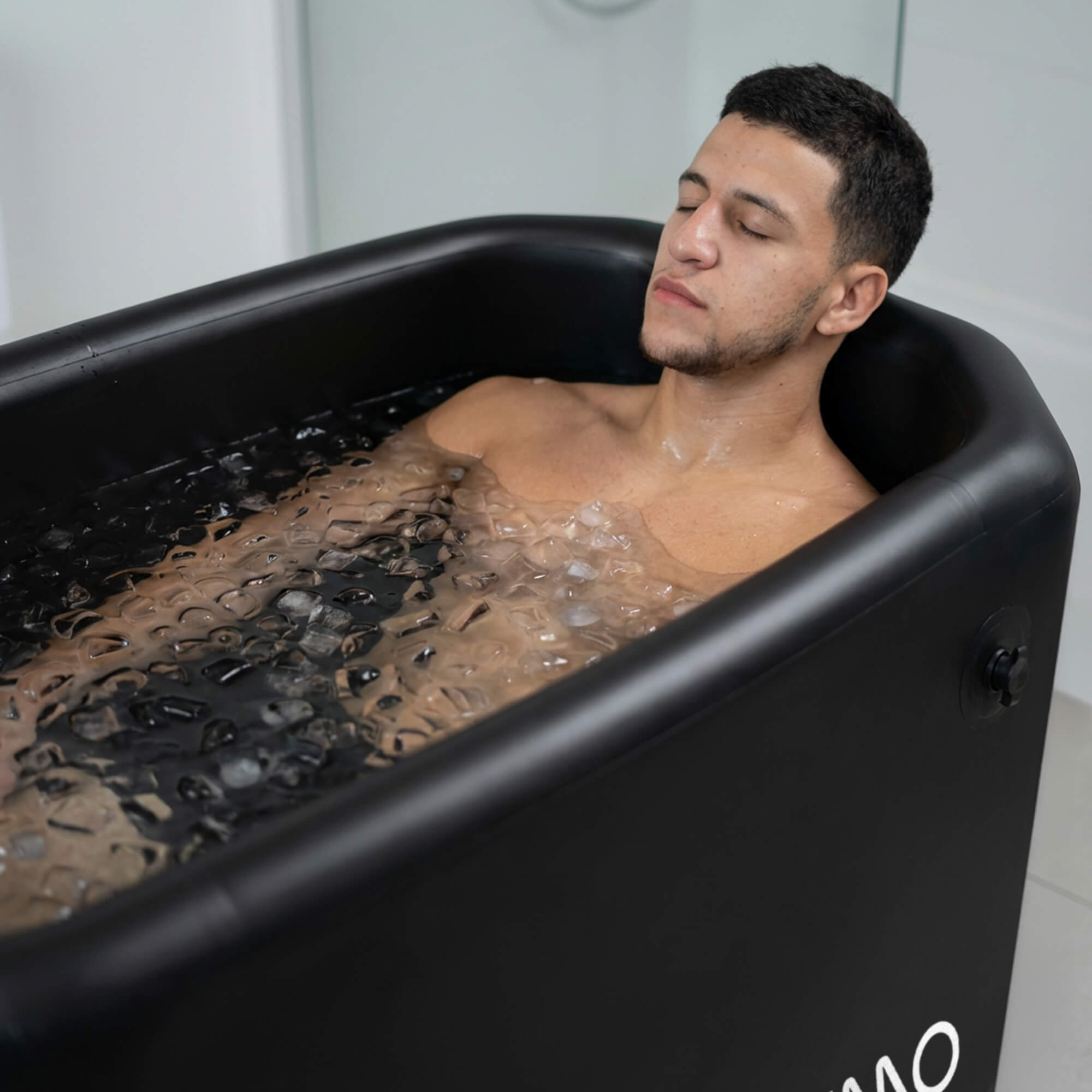
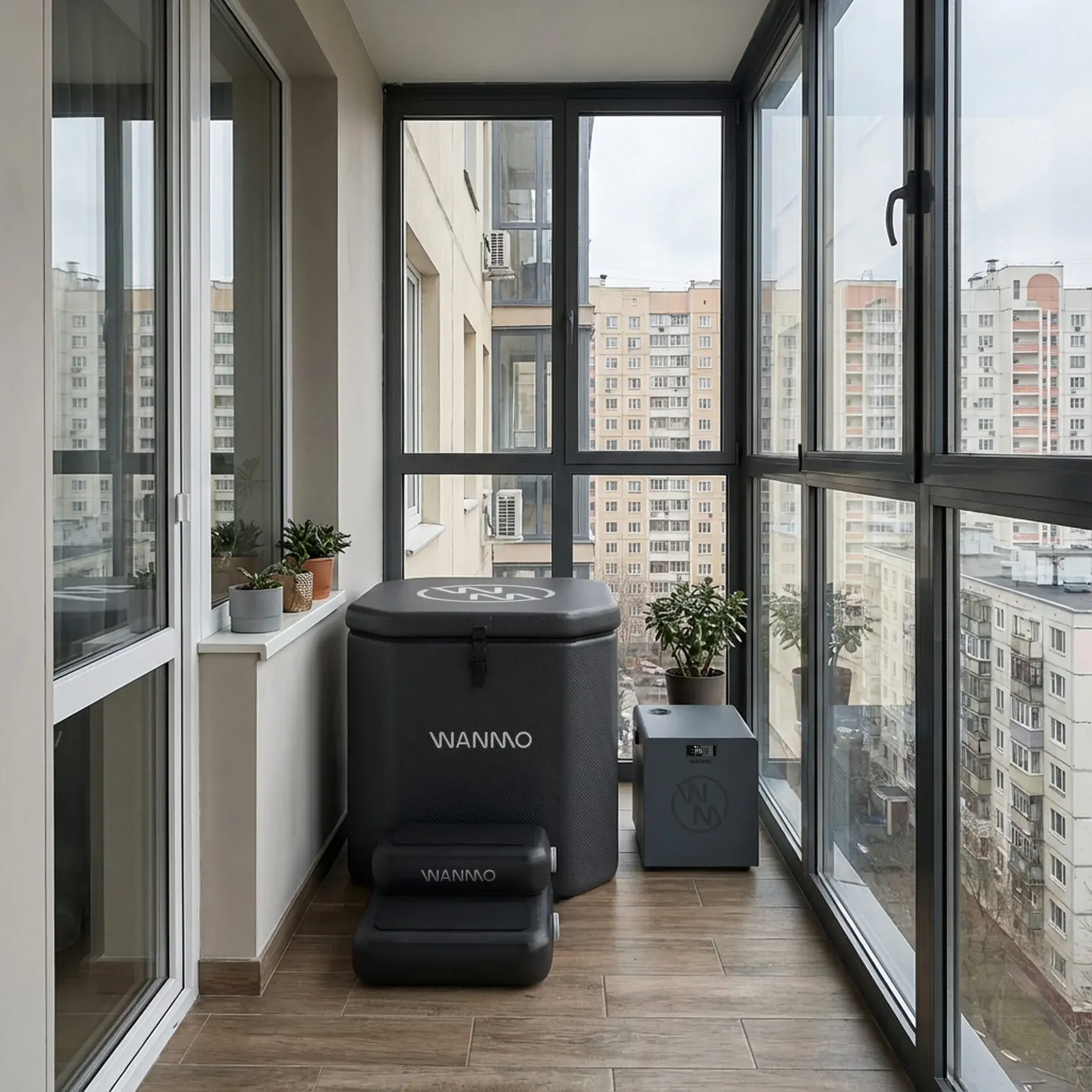
Get a consultation
We’ll help you choose the right model, tell you about cold therapy and answer any questions. Choose whichever way to reach us suits you — Telegram, MAX or phone.