
Ice baths and emotional well-being
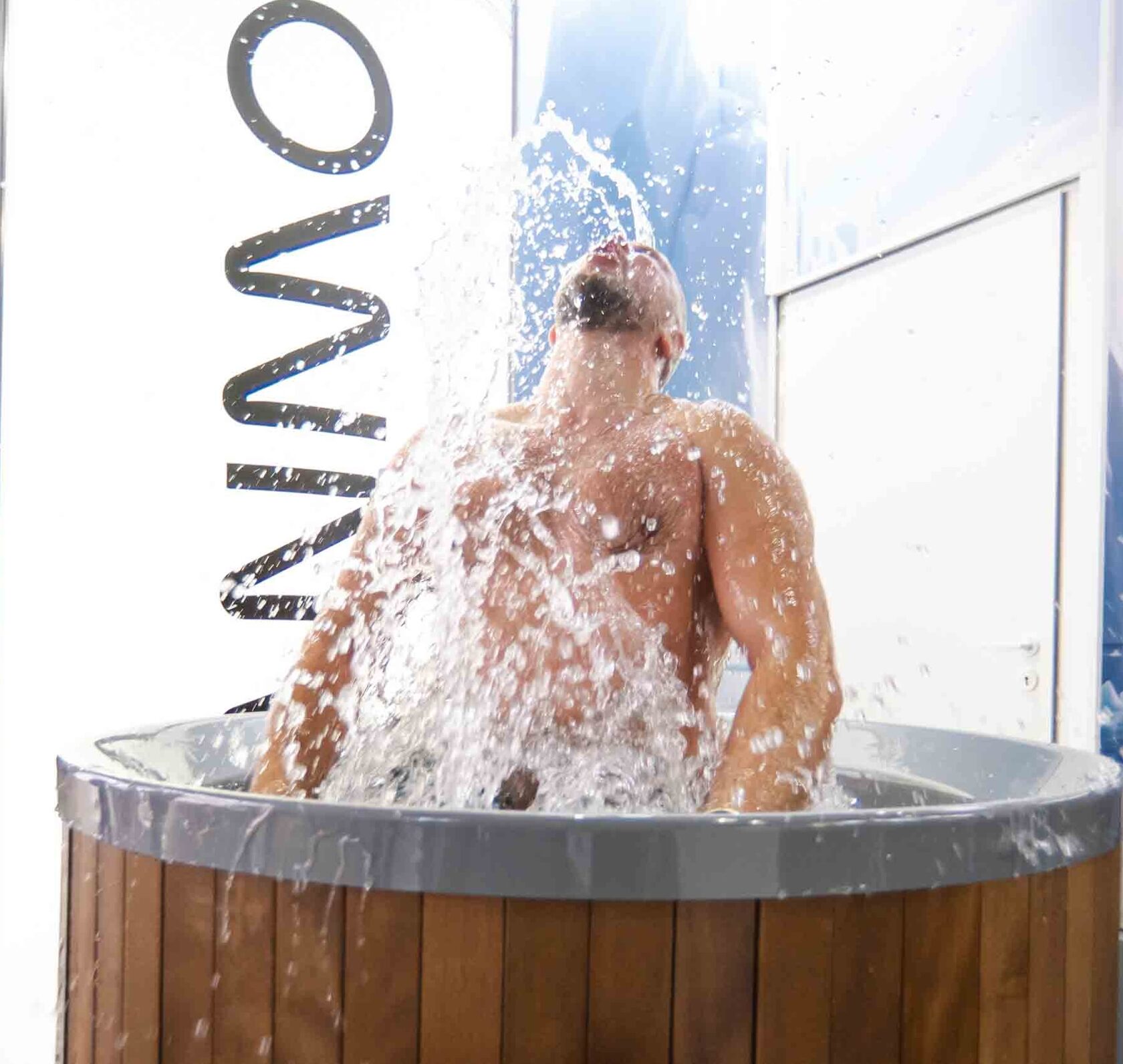
After a cold plunge, many people describe a feeling of clarity, focus and an emotional “reset.” Can cold really affect your mental and emotional state?
What happens to the body when you plunge into cold water
Cold water is a strong but short-lived physiological stimulus.
On immersion, the body quickly activates the sympathetic nervous system: heart rate, breathing, vascular tone and arousal levels all change. This is a normal response to cold stress. That’s why the first seconds of a plunge feel so intense: your attention sharply shifts to bodily sensations and your breath.
In a number of studies, participants reported changes in their subjective stress levels and emotional state after cold exposure. However, the quality of the evidence is still limited: sample sizes are small, and it’s hard to fully rule out the influence of expectations and the placebo effect.
What about anxiety?
Here it’s important to distinguish between temporary subjective relief from tension and treating an anxiety disorder.
Cold practice can provide a short period of intense attention shifting. Instead of a constant stream of thoughts, your attention focuses on your breath, bodily sensations and the need to calmly get through the cold stimulus. For some people, it’s a way to train the skill of staying composed in the face of discomfort.
Why might you feel better after the cold?
1. Shifting attention from thoughts to the body
Cold amplifies the flow of signals from thermoreceptors in the skin and other tissues. It becomes much harder to ignore bodily sensations, and attention returns to the breath, the temperature and the present moment.
This can be especially noticeable if, before the plunge, a person was in a state of constant tension or mental overload. Anxiety often comes with replaying scenarios and a feeling that “you can’t switch your head off.” That’s why some people describe the cold as a kind of meditation.
2. Training your stress response
Cold is a controlled stressor. You voluntarily put yourself in an uncomfortable situation, yet you are in a safe environment, trying to control your breathing, and can stop at any moment.
For some people, the experience itself — “This is unpleasant, but I can handle it” — becomes an important part of the practice.
3. Changes in physiological state
Cold exposure affects hormonal stress responses and norepinephrine-related systems. But exactly which changes are responsible for the subjective improvement in mood is still unclear, and the data remain preliminary. Recent reviews consider the involvement of these systems and other physiological mechanisms, but do not regard their role as firmly established.
Who should be cautious
Cold immersion puts serious strain on the body. If you have cardiovascular disease, high blood pressure, heart rhythm disorders, are pregnant or have other conditions, consult a doctor before starting the practice. Cold is not a substitute for treating an anxiety disorder or depression: if your condition persists and interferes with your life, see a specialist.
Start with short, gentle plunges, listen to your body and don’t practice alone.
Try cold practice
If you’re curious to see for yourself how your body and mind respond to controlled cold stress, start with short plunges.
WANMO makes cold practice easier: the system cools and filters the water on its own and maintains the set temperature — no ice, no complicated preparation.
Find your WANMO system